The Future of Mycology in Ecosystem Restoration
 By Dr. Julian Thorne
•
September 15, 2026
By Dr. Julian Thorne
•
September 15, 2026
"The greatest potential for healing our forests lies not in the canopy, but beneath the soil. In the intricate, often overlooked world of fungi, we find the neural network of the Earth."
The Hidden Network
For decades, conservationists focused primarily on the visible aspects of the forest—the trees, the birds, and the mammals. However, recent breakthroughs in soil science have revealed that the health of these visible entities is inextricably linked to the mycorrhizal networks existing just beneath the surface. These networks, composed of millions of miles of fungal mycelium, act as a biological internet, facilitating the exchange of nutrients, water, and even chemical signals between plants of different species.
Mycoremediation: Healing Toxic Landscapes
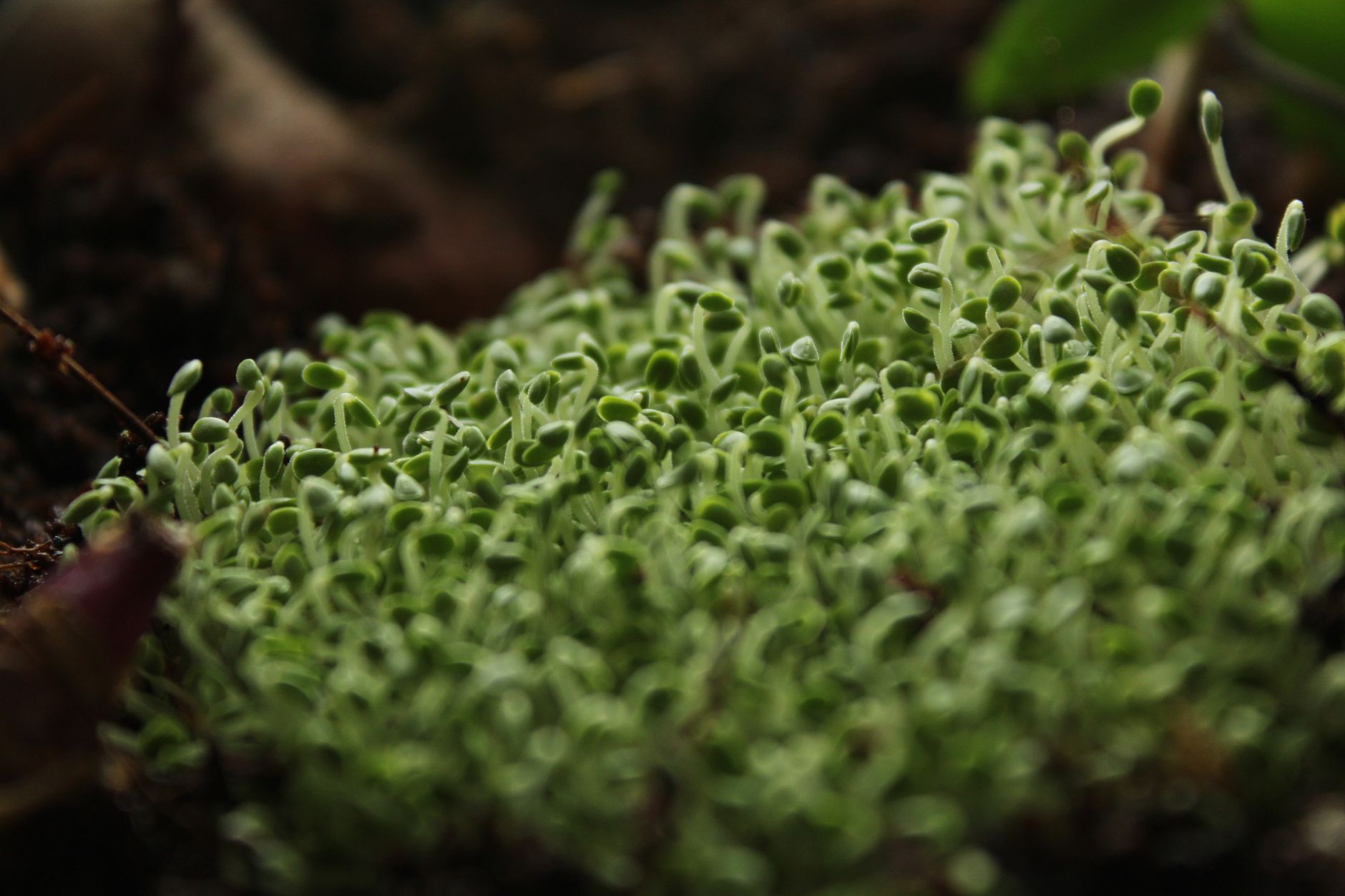
One of the most exciting applications of mycology in modern ecology is mycoremediation—the use of fungi to break down pollutants in the environment. Certain species of fungi are capable of digesting complex hydrocarbons, heavy metals, and even plastic. At Verdant Ledger, we are integrating these fungal allies into our industrial restoration projects. By seeding degraded soil with oyster mushroom mycelium, we have successfully reduced lead levels in urban brownfields by up to 60% within a single growing season.
Fungi as the Foundation of Biodiversity
Fungi are the primary decomposers in almost every ecosystem, turning dead matter back into life-sustaining nutrients. Without them, the cycle of life would grind to a halt. When we restore a forest, we are not just planting trees; we are re-establishing a complex fungal community. A single gram of healthy forest soil can contain up to a mile of fungal mycelium. This subterranean density is what provides the forest with its resilience against pests, diseases, and climate shifts.
"To ignore the fungal kingdom is to read only half the story of life on Earth. Mycology is the missing piece in the puzzle of planetary restoration."
The Path Forward
As we look toward the 2030s, our research is shifting toward "assisted migration" for fungal communities. As climate zones shift, the fungi that support specific forest types must also move. Verdant Ledger is currently mapping these "fungal boundaries" to help prepare landscapes for the climate of tomorrow. Our field guides now include detailed protocols for mycorrhizal inoculation, ensuring that every sapling we plant is connected to its vital support system from day one.
The mycology revolution is just beginning. By understanding and respecting these ancient organisms, we can unlock new levels of ecological health and ensure a vibrant future for all kingdoms of life.