Project Releaf
Terrestrial Restoration

Project Releaf: Amazon Recovery

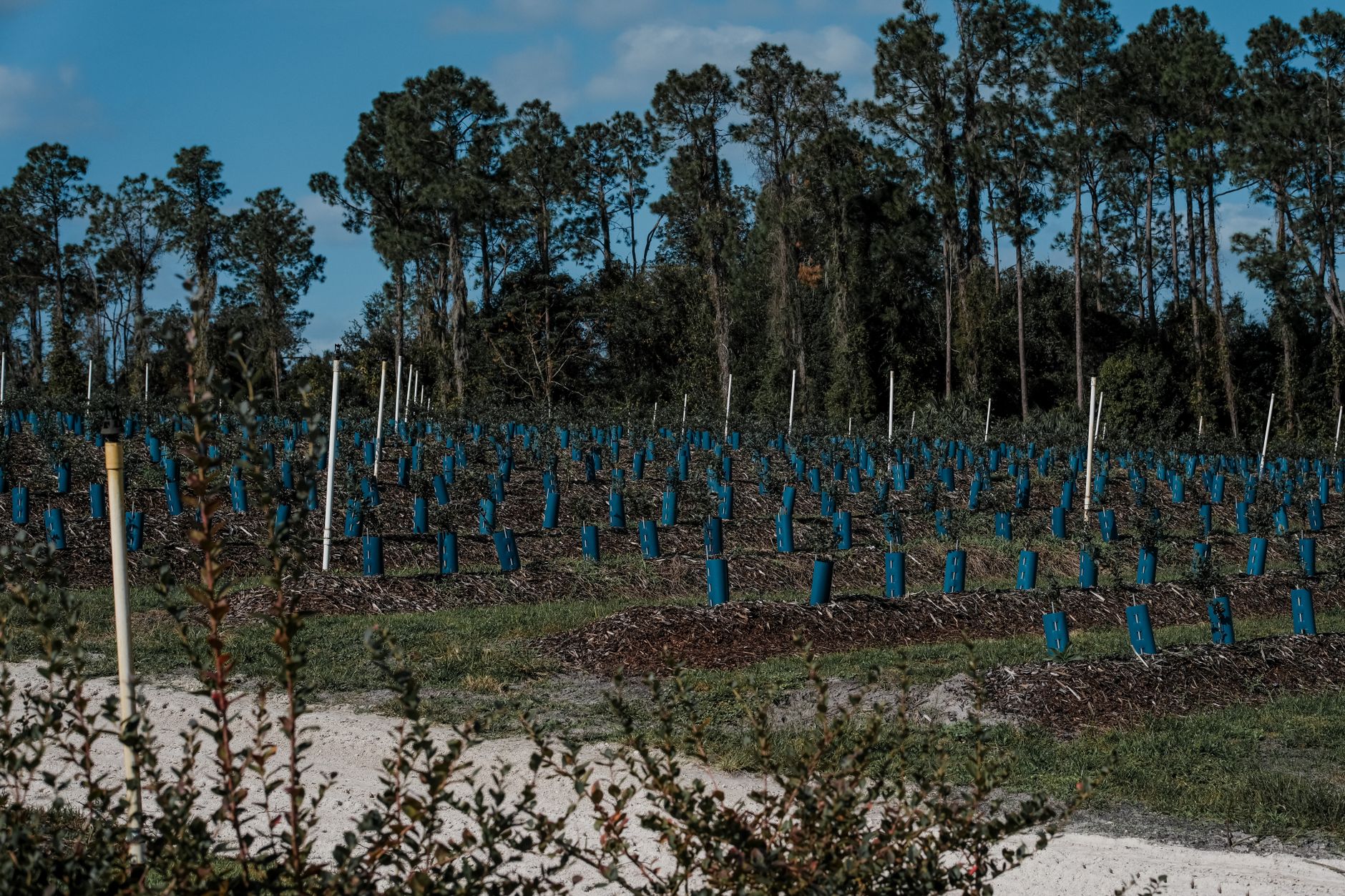
Project Releaf is our flagship terrestrial initiative, focused on the reforestation of degraded corridors in the Amazon Basin. Unlike traditional monoculture tree planting, we focus on biological diversity, planting over 40 native species to ensure a resilient and self-sustaining ecosystem.

Project Specifications

Location Amazon Basin, Brazil
Area Restored 12,500 Hectares
Tree Species 42 Native Varieties
Carbon Sequestration 1.2M Tons / Year

Deep Dive: The Mycorrhizal Strategy

Our reforestation efforts go beyond the surface. In Project Releaf, we utilize a unique mycorrhizal inoculation strategy. By introducing specific fungal spores into the soil during the planting phase, we establish a subterranean "Wood Wide Web." These fungi form symbiotic relationships with tree roots, significantly increasing water and nutrient absorption. This technique has resulted in an unprecedented 94% survival rate for our saplings, even during periods of unseasonable drought. The complexity of the forest we build mimics the primary rainforest, providing immediate habitat for canopy-dwelling species like the Macaw and the Spider Monkey.

The success of Project Releaf is also attributed to our partnership with local indigenous communities. By integrating traditional ecological knowledge (TEK) with satellite monitoring, we have created a monitoring system that is both technically advanced and culturally grounded. This ensures that the forest we plant today remains protected for generations to come.
Marine Conservation

Coral Guard: Pacific Reef Restoration

Coral Reef

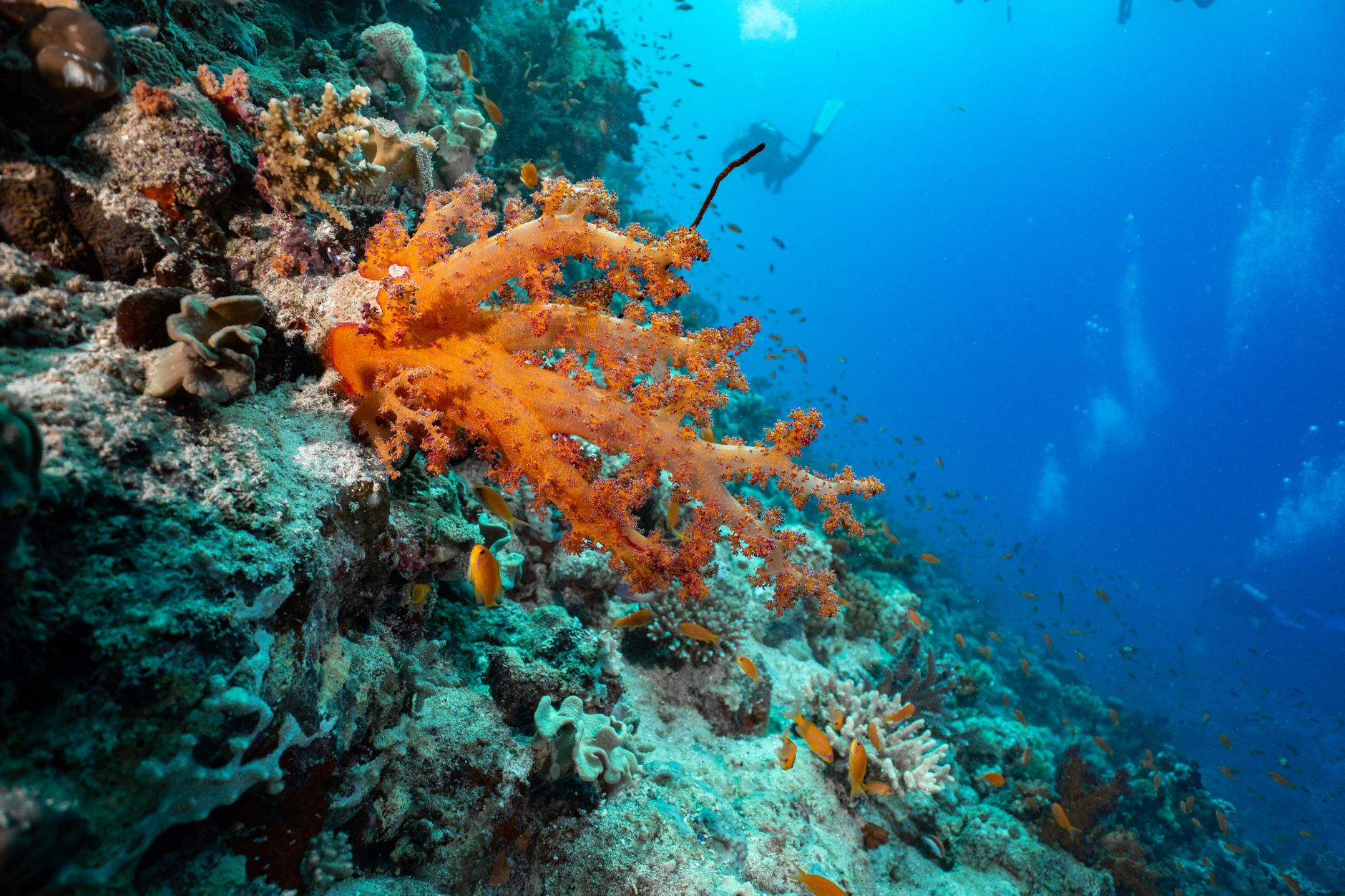
Coral reefs are the rainforests of the sea, supporting 25% of all marine life despite covering less than 1% of the ocean floor. Coral Guard is our response to the rapid bleaching and degradation of Pacific reef systems. We operate a network of underwater nurseries where we grow resilient coral strains for transplanting back into the wild.

Thermal Resilience

We select and propagate "super corals" that have demonstrated a natural resistance to rising ocean temperatures.

Larval Seeding

Using advanced capture and release techniques, we help billions of coral larvae settle and grow on degraded reef structures.

Biodiversity Boost

Restored reefs see an immediate 60% increase in fish biomass, revitalizing local fisheries and marine health.

The Technology of Ocean Healing

Coral Guard utilizes a technique known as "micro-fragmentation." By cutting coral into tiny pieces, we stimulate a rapid healing response that allows the coral to grow up to 40 times faster than its natural rate in the wild. These fragments are then grown on ceramic plugs in our offshore nurseries before being carefully cemented onto dead reef structures. The result is a vibrant, 3D reef architecture that provides immediate shelter for thousands of marine species. Our monitoring drones provide weekly thermal and health maps of these sites, allowing us to respond quickly to any new environmental stressors.

Furthermore, we are currently experimenting with acoustic enrichment—playing the sounds of a healthy reef through underwater speakers to attract fish larvae and other organisms that are essential for a balanced marine ecosystem. This multi-sensory approach to restoration is setting a new standard for marine conservation globally.

Urban Ecology

Sky Garden: Urban Rewilding

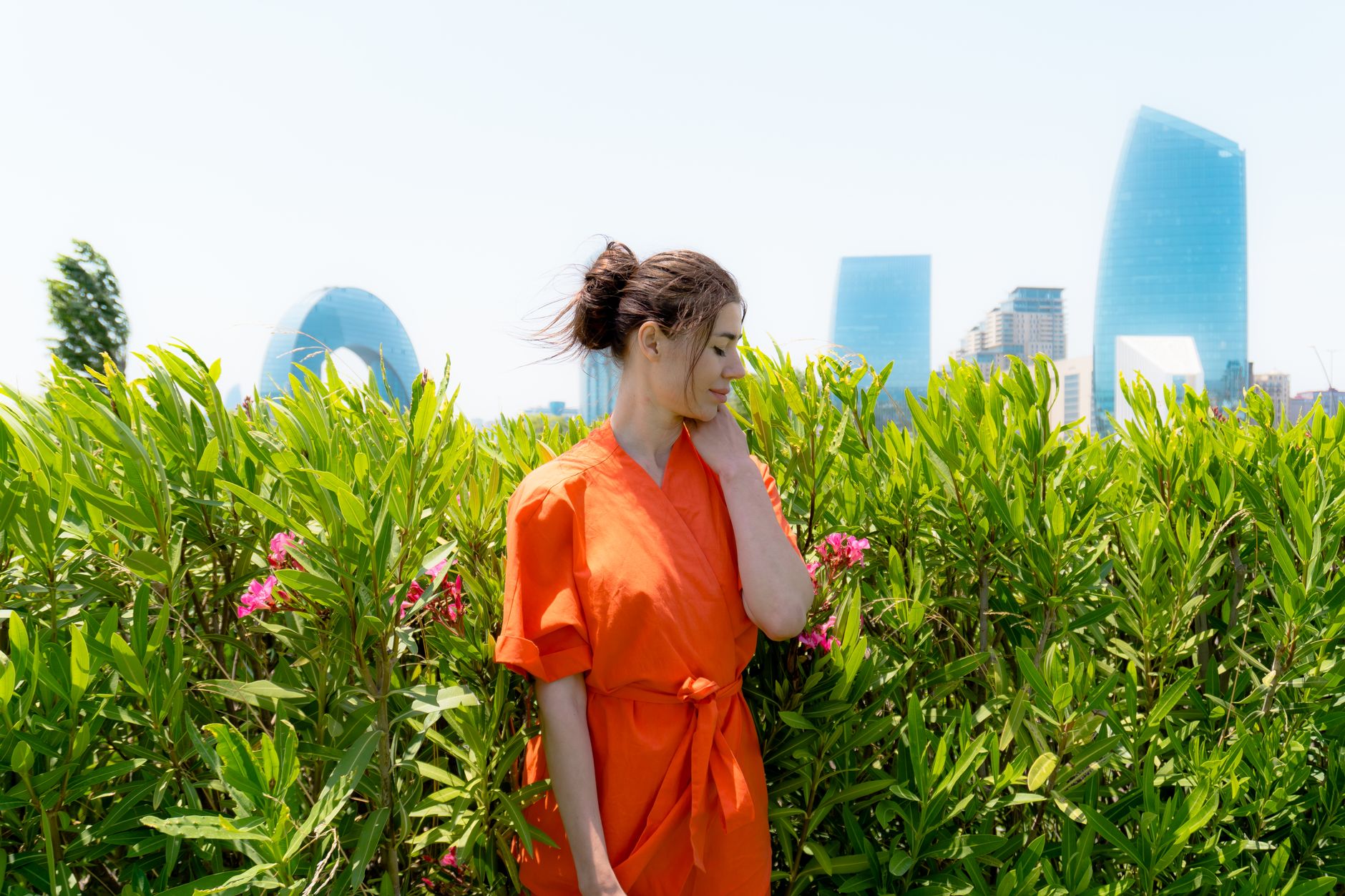
The Sky Garden initiative seeks to bridge the gap between human civilization and the natural world. We transform barren urban rooftops and abandoned industrial sites into thriving "pollinator highways" that support birds, bees, and butterflies while reducing city heat island effects.

Urban Impact

  • 15% Reduction in Building Energy Costs
  • 200+ New Pollinator Species Identified
  • 4 Tons of Urban CO2 Sequestered Monthly
Urban Rewilding

Reimagining the Concrete Jungle

Sky Garden is more than just landscaping; it is an architectural revolution. We use lightweight, recycled substrate systems that can be installed on almost any flat roof without significant structural modification. These systems are planted with drought-tolerant native flora that requires minimal maintenance while providing maximum ecological value. Our data shows that these green roofs can absorb up to 90% of a heavy rainfall event, significantly reducing the strain on urban sewer systems and preventing runoff pollution in local waterways.

The human element of Sky Garden is equally important. These spaces serve as "living laboratories" for local schools and community groups, providing a rare opportunity for urban dwellers to interact with nature. By creating these green pockets, we are not just improving the environment; we are improving the mental health and well-being of the people who live and work in the city.

As we scale this initiative, we are working with city planners to integrate Sky Gardens into future building codes, envisioning a world where every building is an active participant in the Earth's ecological ledger.

Initiatives FAQ

Answers to common questions about our field operations and restoration strategies.

How do you select your restoration sites?

We use a proprietary "Ecological Stress Index" that combines satellite data, biodiversity mapping, and climate modeling. We prioritize sites that serve as critical biological corridors or house endangered species, ensuring our efforts have the highest possible conservation ROI.

How can I track the progress of a specific project?

Every Verdant Ledger partner receives access to a real-time dashboard featuring satellite imagery, field reports, and sensor data from their specific project area. Public updates are also posted monthly in our Resources section.

Do you use non-native species in your reforestation?

Absolutely not. We are strictly committed to ecological integrity. We only plant native species that are genetically appropriate for the specific micro-climate of the restoration site.

What is the average survival rate of your coral transplants?

Thanks to our micro-fragmentation and thermal resilience selection processes, our coral transplants currently maintain a survival rate of 82% after the first year, which is significantly higher than industry averages.

Can individuals sponsor a specific Sky Garden?

Yes! We offer "Rooftop Adoption" programs for both individuals and corporations. Sponsors receive a physical plaque on the site and quarterly biological impact reports detailing the species that have taken up residence in their garden.